- Definition
- Kit hygiene is the set of practices that prevent the transfer of bacteria, viruses and fungi between performers through shared products and tools. Product safety refers to the legal and practical checks that a cosmetic is suitable for use on skin.
- Related
- Patch test, decanting, colour additives, PAO symbol
- Reading time
- ≈ 5 min
This entry is general information, not medical or legal advice. Consult a qualified professional for specific reactions or compliance questions.
4.1 The regulatory frame
European Union. Regulation (EC) No 1223/2009 on cosmetic products has applied in full since 11 July 2013. It requires each product to have a designated responsible person, a product information file, a safety assessment and notification through the Cosmetic Products Notification Portal. Its annexes list prohibited and restricted substances and permitted colourants, preservatives and UV filters.
United Kingdom. After leaving the EU, Great Britain retained an equivalent framework, with notification through the UK's own Submit Cosmetic Product Notifications service.
United States. The Food and Drug Administration regulates cosmetics under the Federal Food, Drug, and Cosmetic Act. The Modernization of Cosmetics Regulation Act of 2022 (MoCRA) added facility registration, product listing, adverse-event reporting and safety substantiation duties. Colour additives must be approved for their intended use, with listings in Title 21 of the Code of Federal Regulations, Parts 73 and 74. Some vivid theatrical colours are approved for general use but not for the eye area, which is why labels sometimes carry "not for use near the eyes."
4.2 Patch testing
Before applying an unfamiliar product, adhesive or prosthetic material to a performer, a small amount is placed on an inconspicuous area — often the inner forearm or behind the ear — and observed. Many artists allow 24 to 48 hours. Redness, itching or swelling means the product should not be used. Latex allergy is a particular concern with foam latex appliances and some adhesives; artists should ask performers about known allergies at the first fitting.
4.3 Kit hygiene practice
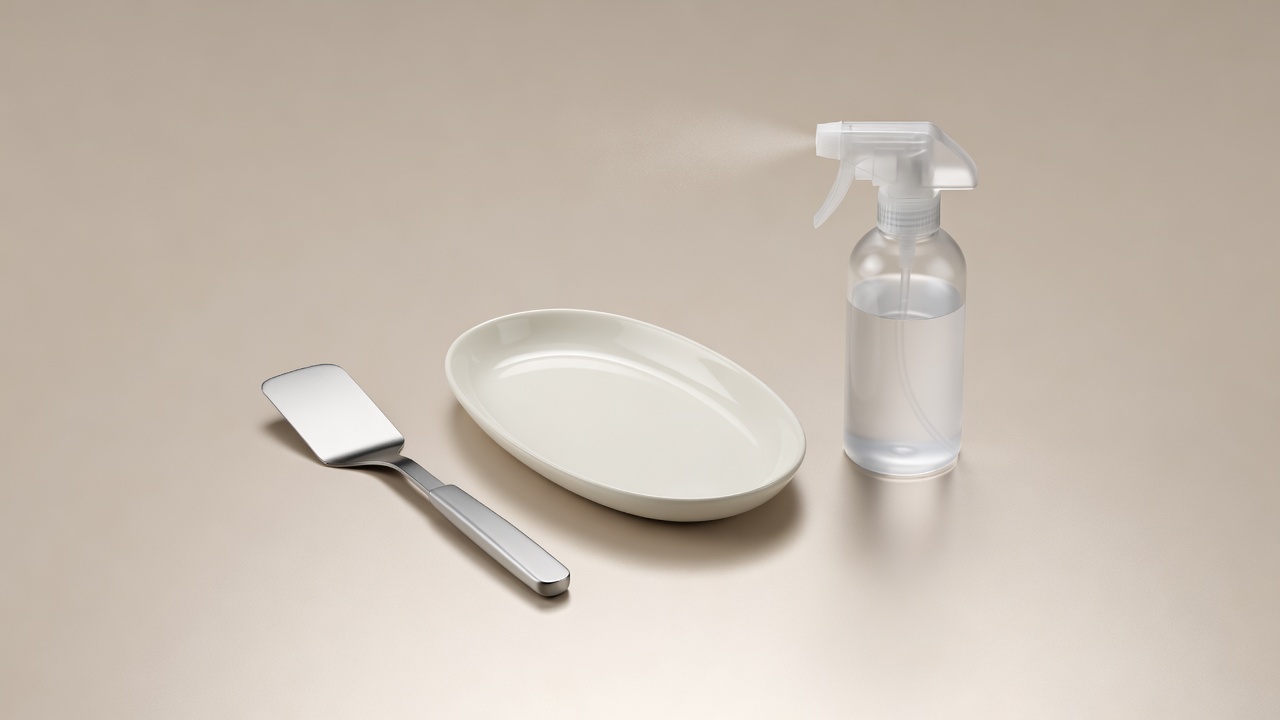
- Decant, never double-dip. Remove creams and foundations from their containers with a clean spatula onto a palette, and apply from the palette.
- Sanitise tools. Spatulas, palettes and metal tools are wiped with 70% isopropyl alcohol between performers.
- Brushes. Use a separate set per performer or clean and dry brushes between uses.
- Single-use items. Mascara wands, lip applicators and sponges are disposable or assigned to one person.
- Pencils. Sharpen before each use to expose a fresh surface.
- Powders and pressed colours. Lightly spray with alcohol or scrape the surface when shared.
- Personal kits. In long-running shows, each performer often has a labelled personal kit.
4.4 Shelf life
An open-jar symbol with a number, such as "12M," indicates the period-after-opening in months under EU labelling rules. Liquid products and those used near the eyes are most vulnerable to contamination. A change in smell, texture or separation indicates a product should be discarded. Labelling open dates on containers is standard professional practice.
4.5 Non-cosmetic materials
Craft paints, markers and industrial adhesives are not cosmetics and should not be used on skin. Professional suppliers such as Kryolan, Mehron and Ben Nye (founded in 1967 by the former head of makeup at 20th Century Fox) produce products intended for skin application. Even so, every product should be used according to its label.
Citations
- Regulation (EC) No 1223/2009 on cosmetic products. eur-lex.europa.eu
- U.S. Food and Drug Administration, Cosmetics. fda.gov
- Modernization of Cosmetics Regulation Act of 2022 (MoCRA).
- 21 CFR Parts 73 and 74, Listing of Color Additives.
- UK Office for Product Safety and Standards. gov.uk